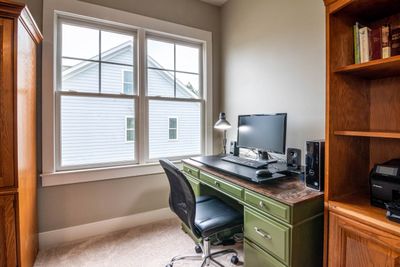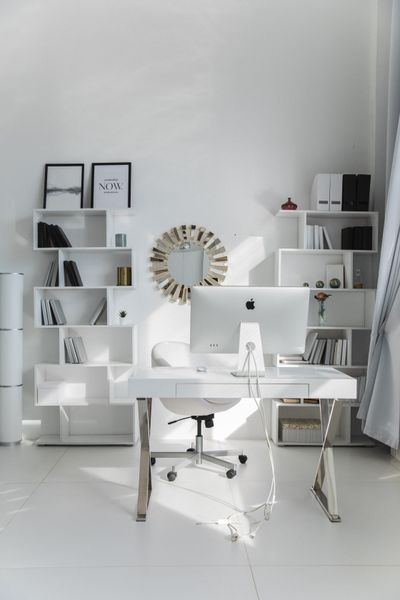
Before making any changes, it helps to separate what's actually a problem from what's just a preference. Start with desk.
Key takeaways
- Desk is worth deciding deliberately, not defaulting into.
- Lighting matters more in practice than it looks like on paper.
- Cable management matters more in practice than it looks like on paper.
- Boundary setting in a shared room is worth deciding deliberately, not defaulting into.
Desk
Consider desk in the context of everything else in play, not on its own. A choice that works in isolation can still throw off the balance of the rest.
Lighting
Lighting is worth doing deliberately rather than defaulting to whatever's easiest in the moment. The difference shows up over weeks, not on day one.
Cable management
Cable management matters more than it might seem at first. Getting this part right tends to save a second round of changes later.
Boundary setting in a shared room
Consider boundary setting in a shared room in the context of everything else in play, not on its own. A choice that works in isolation can still throw off the balance of the rest.
Lab note
Write down what isn't working before you start changing anything. It's easy to lose track of the original problem once new options are on the table.
Frequently asked questions
How long does this usually take to get right?
It depends on the scope of what you're changing, but most people see the biggest improvement from the first few adjustments rather than from doing everything at once.
How often should this be revisited?
Circumstances change — routines shift, seasons change what's practical — so it's worth a quick review every few months rather than treating it as a one-time fix.
Do I need to spend a lot of money to see a difference?
Not necessarily. Many of the ideas here are about planning and habit rather than new purchases, and they're worth trying before spending on anything new.